Urban Air Quality Monitoring Station
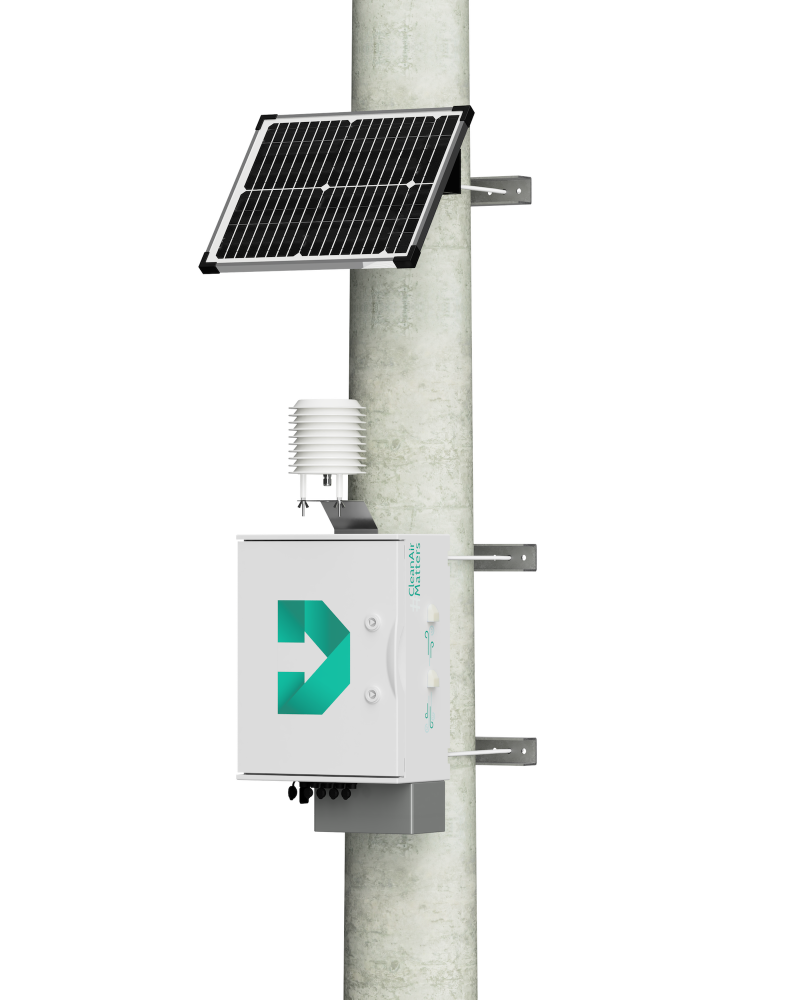
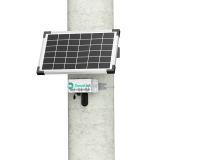
The Develiot Urban Air Quality Monitoring Station equipped with a wide range of sensors such as air quality (NO2, SO2, O3, CO, NH3, H2S, PH3, Cl2, HCl, HF, O2, CH2O, C2H4, C6H6, H2, PM10, PM2.5, PM1.0), CO2, noise level, temperature, humidity, pressure, wind speed, wind direction, and precipitation. It provides GSM, NBIoT, and LoRaWAN wireless connectivity for sending data.
About this device
The Develiot Urban Air Quality Monitoring Station equipped with a wide range of sensors such as air quality (NO2, SO2, O3, CO, NH3, H2S, PH3, Cl2, HCl, HF, O2, CH2O, C2H4, C6H6, H2, PM10, PM2.5, PM1.0), CO2, noise level, temperature, humidity, pressure, wind speed, wind direction, and precipitation. It provides GSM, NBIoT, and LoRaWAN wireless connectivity for sending data.
The Urban Air Quality Monitoring Station supports 9 regional frequency plans and operates as a Class A LoRaWAN device.
Key features
- Sensors: altitude, barometer, battery, co2, gps, temperature, humidity, wind direction, wind speed, sound.
- LoRa Alliance certified, verified interoperability with The Things Stack and other LoRaWAN network servers.
- 9 frequency plans supported: AS923, AU915-928, CN470-510, CN779-787, EU863-870, IN865-867, KR920-923, RU864-870, US902-928.
- Battery powered (Lead Acid), user replaceable.
Vendor
At a glance
Hardware specifications
| Model ID | uaqms |
| Dimensions | 325 × 430 × 185 mm |
| Weight | 11000 g |
| IP rating | IP65 |
| Operating temperature | -30 °C to 70 °C |
| Power | Battery — Lead Acid, replaceable |
Sensors & capabilities
Certifications & compliance
Standards
Network profiles
Capabilities are defined per firmware version and frequency plan, exactly as published in the repository.
Firmware 9.3
| Frequency plan | MAC | Reg. params | Class | Join | Max EIRP | Certified |
| AS923 | 1.0.3 | RP001-1.0.3-RevA | A | OTAA | 16 dBm | ✓ Yes |
| AU915-928 | 1.0.3 | RP001-1.0.3-RevA | A | OTAA | 16 dBm | ✓ Yes |
| CN470-510 | 1.0.3 | RP001-1.0.3-RevA | A | OTAA | 16 dBm | ✓ Yes |
| CN779-787 | 1.0.3 | RP001-1.0.3-RevA | A | OTAA | 16 dBm | ✓ Yes |
| EU863-870 | 1.0.3 | RP001-1.0.3-RevA | A | OTAA | 16 dBm | ✓ Yes |
| IN865-867 | 1.0.3 | RP001-1.0.3-RevA | A | OTAA | 16 dBm | ✓ Yes |
| KR920-923 | 1.0.3 | RP001-1.0.3-RevA | A | OTAA | 16 dBm | ✓ Yes |
| RU864-870 | 1.0.3 | RP001-1.0.3-RevA | A | OTAA | 16 dBm | ✓ Yes |
| US902-928 | 1.0.3 | RP001-1.0.3-RevA | A | OTAA | 16 dBm | ✓ Yes |
Frequency plan coverage
Also supported: CN779-787
Add to The Things Stack
Manual setup
Create an application
In The Things Stack console, go to Applications → Create application and pick a unique application ID.
Register an end device
Choose From the LoRaWAN Device Repository and search for “Urban Air Quality Monitoring Station”. Select your firmware version and frequency plan.
Enter device credentials
Provide the DevEUI, JoinEUI and AppKey printed on the device label or QR code.
Power on & verify uplinks
Within a few minutes you'll see the join request and uplinks in the Live data tab.