
Carbon monoxide (CO) sensing detects the concentration of CO gas in the air, usually expressed in parts per million (ppm). Because CO is colourless and odourless and is produced by incomplete combustion, monitoring it is essential for occupant safety and indoor air quality.
LoRaWAN CO sensors sample a gas-sensing cell (commonly electrochemical) at set intervals, then transmit readings as small uplink payloads over long-range, low-power radio. Many devices combine scheduled reports with event-driven alerts that fire when CO crosses a configured threshold, so alarms reach the network quickly without constant transmission.
Typical deployments include:
- Parking garages, tunnels and loading bays
- Boiler rooms, kitchens and workshops
- Residential and commercial indoor air-quality monitoring
When comparing devices, review measurement range and accuracy, sensor lifespan and calibration needs, and battery life against reporting interval. Also confirm the enclosure rating for the install environment, the supported regional frequency plans, and that a payload codec is available to decode ppm values on your network.
No devices match
Try broadening your search.
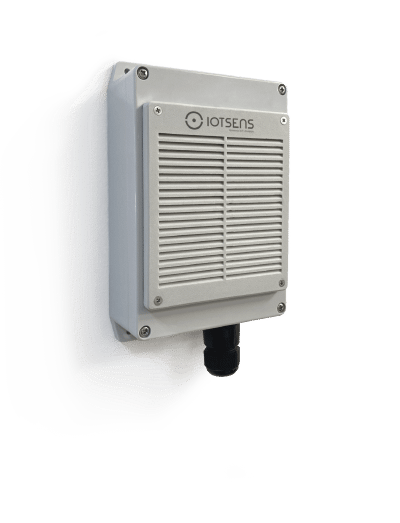
Air Quality Monitor
The IoTsens Air Quality Monitor is a device that consists of a set of environmental sensors for CO, SO2, NO2, …
 ✓ CERT
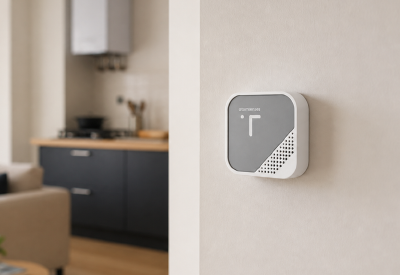
AS103 Carbon Monoxide Sensor
CO, temperature, humidity. Carbon Monoxide Sensor.
 ✓ CERT
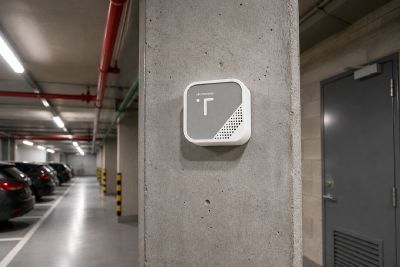
AS202 Car Park Air Quality Sensor (CO + NO2)
CO, nitrogen dioxide. Car Park Air Quality Sensor (CO + NO2).
 ✓ CERT
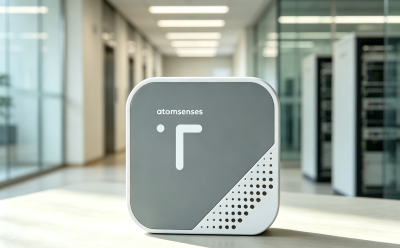
ASN503A Vape and Smoke Detector with CO Sensing
smoke, CO, temperature, humidity. Vape and Smoke Detector with CO Sensing.
 ✓ CERT
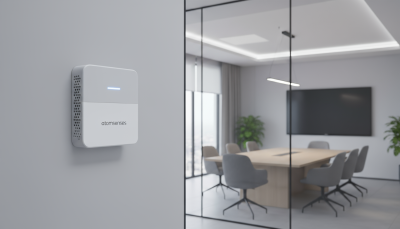
ES100 Integrated Sensor
CO2, temperature, humidity, TVOC, PM2.5, PM10, CO, light, noise, pressure. Integrated Sensor.
 ✓ CERT
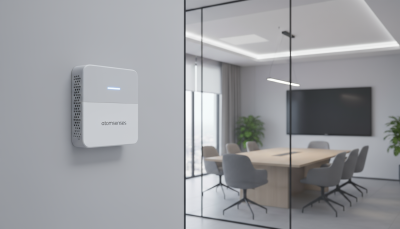
ES108 10-IN-1 Environmental Monitor
CO2, temperature, humidity, TVOC, particulates, light, noise, CO. 10-IN-1 Environmental Monitor.
 ✓ CERT
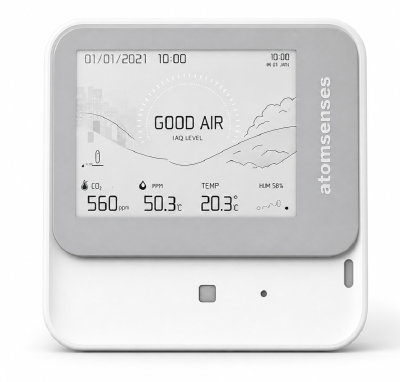
ES112 12-IN-1 Advanced Air Quality Sensor with Ozone and Occupancy
temperature, humidity, TVOC, CO2, PM1.0, PM2.5, PM10, occupancy, light, CO, ozone, pressure. 12-IN-1 Advanced …
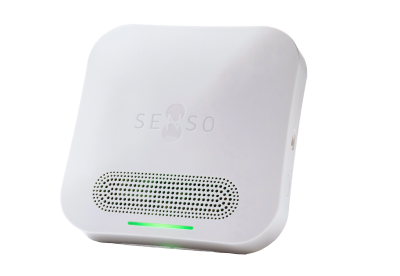
LRS10701 - Indoor Air Quality (IAQ) Sensor
Indoor Air Quality (IAQ) Sensor
 ✓ CERT
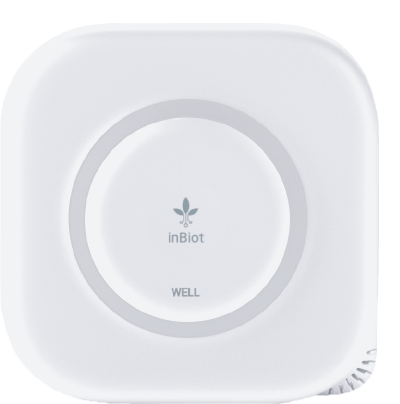
MICA WELL - Indoor Air Quality Sensor
MICA WELL is the most comprehensive indoor air quality monitoring device in the MICA range, featuring LoRaWAN, …
 ✓ CERT
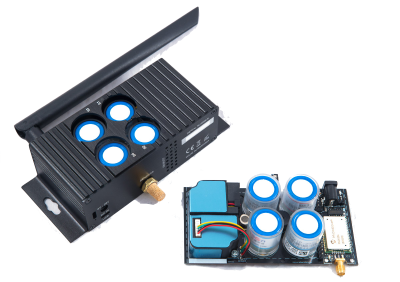
MODEL INDUSTRIAL - Air Quality Monitoring
An automated, fixed monitoring station that tracks a total of 11 important air quality parameters including …
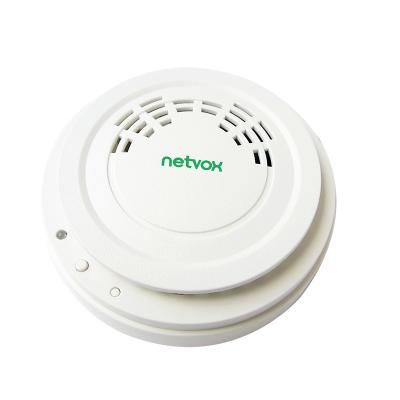
RA02C - Wireless CO Detector
RA02C is a wireless control alarm device for smart home and high reliability. It adopts wireless communication …
 ✓ CERT
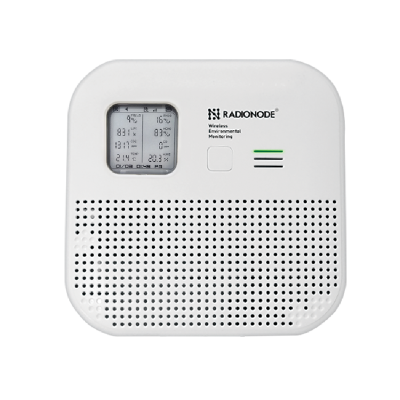
RN320-PMT
Indoor Air Quality (IAQ) Sensor
 ✓ CERT
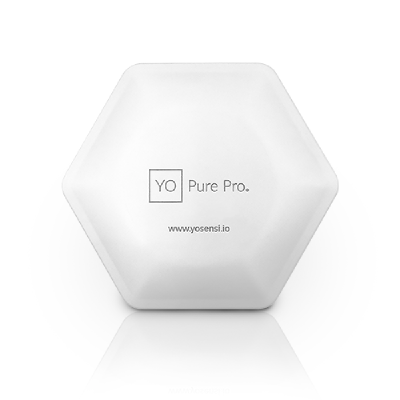
YO Pure Pro
YO Pure Pro is a device for measuring indoor environmental conditions. The device measures concentrations of …
Top vendors
Manufacturers with the most carbon monoxide devices in the catalog.
Related
Frequently asked questions
What does a LoRaWAN CO sensor measure?
It measures the concentration of carbon monoxide (CO) gas in the air, typically reported in parts per million (ppm). CO is a colourless, odourless gas produced by incomplete combustion, so these sensors are used for occupant safety and air-quality monitoring.
How is CO sensor data transmitted over LoRaWAN?
The device samples its CO cell, then transmits readings as a compact uplink payload over a LoRaWAN network. Many sensors send periodic readings plus event-driven alerts when CO crosses a configured threshold, and a payload decoder converts the bytes into ppm values.
How long do LoRaWAN CO sensors run on battery?
Battery life depends on uplink frequency, sensing technology and frequency plan. Low-power electrochemical designs with infrequent reporting can run for years, while devices polling continuously or sending frequent alerts draw more power.