
LoRaWAN Dust Sensors
LoRaWAN dust sensors measure airborne particulate concentration and report air-quality readings wirelessly over long range on years of battery life.
Dust sensors measure the concentration of fine particles suspended in the air, usually expressed as a mass concentration in micrograms per cubic meter (µg/m³). Many devices use an optical sensing chamber to detect particles and report results across size fractions such as PM2.5 and PM10, making them a practical way to gauge air quality and pollution exposure.
Over LoRaWAN, a dust sensor samples the surrounding air on a schedule, encodes the result into a small uplink payload, and sends it to a gateway and your application server. The low-power, long-range nature of LoRaWAN lets these devices operate for extended periods on batteries while covering large outdoor areas or hard-to-wire indoor spaces.
Typical deployments include urban and outdoor air-quality networks, construction and demolition dust control, mining and industrial sites, and indoor workplace safety monitoring. When comparing devices, weigh:
- Measurement range, resolution, and which particle sizes are reported
- Power source and expected battery life
- Enclosure rating for outdoor or dusty environments
- Supported regional frequency plans and the payload codec
Devices
No devices match
Try broadening your search.
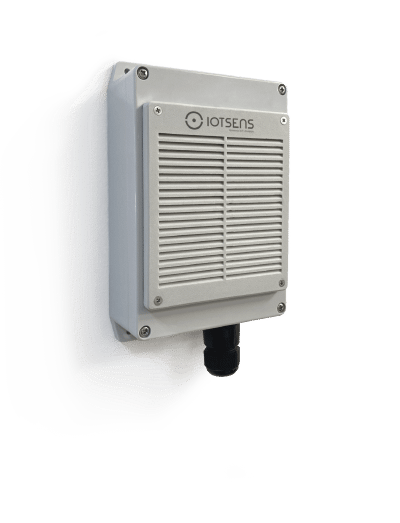
Air Quality Monitor
The IoTsens Air Quality Monitor is a device that consists of a set of environmental sensors for CO, SO2, NO2, …
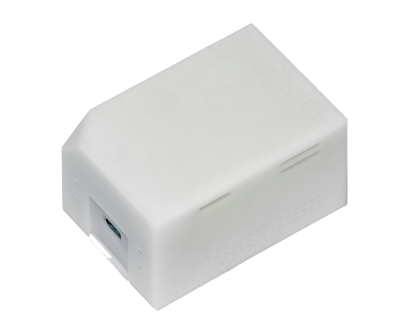
Indoor Air Quality Sensor
The MCCI Indoor Air Quality Sensor consists of PM1.0, PM2.5, PM10, dust concentration, total volatile organic …
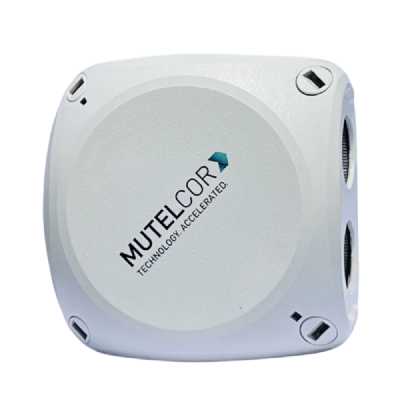
LoRa PM2.5 Sensor
The Mutelcor LoRa PM2.5 Sensor measures particulate matter values PM1.0, PM2.5 and PM10 at a configurable …
 Certified
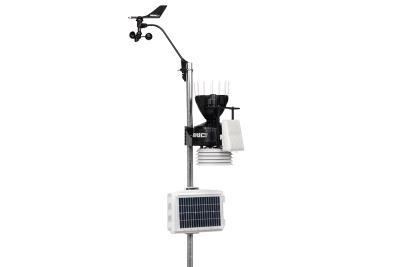
MCF-LW06DAVPK
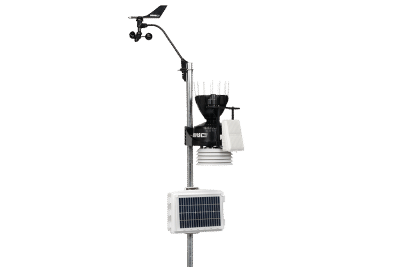
The mcf88 MCF-LW06DAVPK integrates a LoRaWAN® communication system in a Davis Instruments Vantage Pro2 Weather …
 Certified
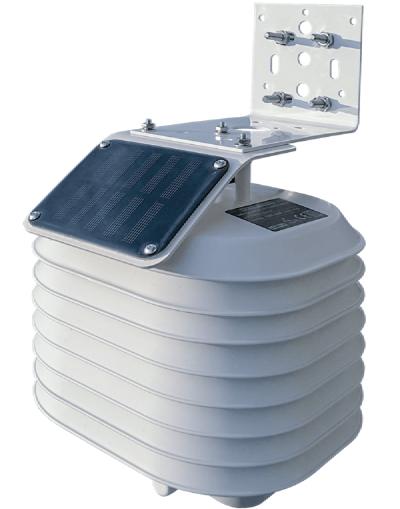
MCF-LW06DAVPK - Weather Station
The enginko MCF-LW06DAVPK integrates a LoRaWAN® communication system in a Davis Instruments Vantage Pro2 …
MCF-LW12TERPM
The mcf88 MCF-LW12TERPM is an outdoor PM and environmental sensor that consists of temperature, humidity, …
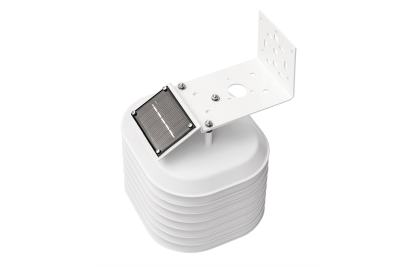
MCF-LW12TERPM - Outdoor Environmental Sensor
The enginko MCF-LW12TERPM is an outdoor PM and environmental sensor that consists of temperature, humidity, …
 Certified
MCF-LWWS01
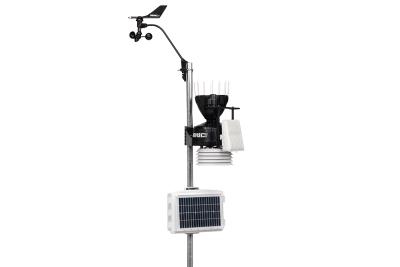
The mcf88 MCF-LWWS01 integrates a LoRaWAN® communication system in a Davis Instruments Vantage Pro2 Weather …
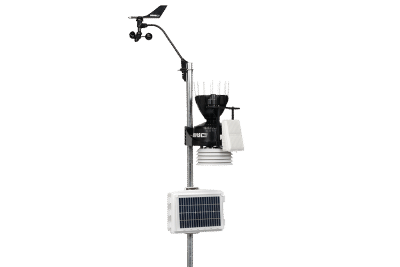 Certified
MCF-LWWS01 - Weather Station
The enginko MCF-LWWS01 integrates a LoRaWAN® communication system in a Davis Instruments Vantage Pro2 Weather …
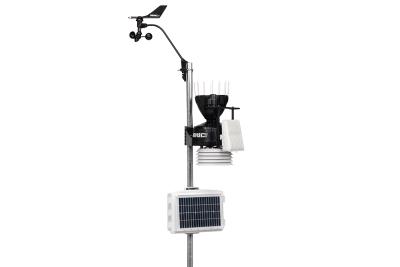 Certified
MCF-LWWS03
The mcf88 MCF-LWWS03 integrates a LoRaWAN® communication system in a Davis Instruments Vantage Pro2 Weather …
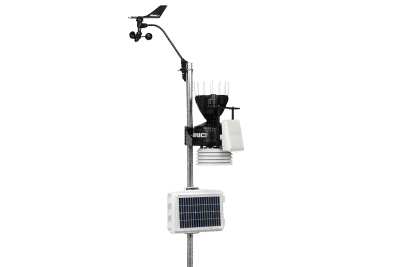 Certified
MCF-LWWS03 - Weather Station
The enginko MCF-LWWS03 integrates a LoRaWAN® communication system in a Davis Instruments Vantage Pro2 Weather …
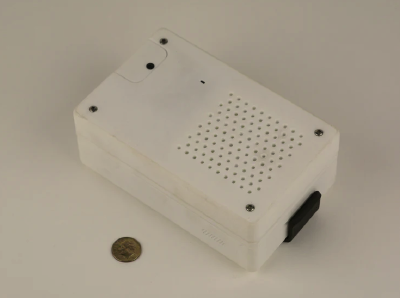
Model 4933 Air Quality Gas Sensor
Temperature, humidity, pressure sensor, Gas sensors (CO, CO2, NO2, O3, SO2) and PM2.5
Top vendors
Manufacturers with the most dust devices in the catalog.
Related
Frequently asked questions
What does a LoRaWAN dust sensor measure?
A dust sensor measures the concentration of airborne particles suspended in the air, typically reported as a mass concentration in micrograms per cubic meter (µg/m³). Many devices break results down into particulate-matter size fractions such as PM2.5 and PM10, giving a picture of overall air quality and pollution levels.
How do LoRaWAN dust sensors transmit their data?
The sensor samples the air at set intervals, then encodes the reading into a compact payload and transmits it over a LoRaWAN network to a gateway and on to your application server. Because LoRaWAN is low-power and long-range, sensors can run for months or years on batteries while covering large or hard-to-wire sites.
Where are LoRaWAN dust sensors used?
Common uses include outdoor and urban air-quality monitoring, construction and demolition site dust control, industrial and mining environments, warehouses, and indoor workplace health and safety monitoring where particulate exposure must be tracked over time.