
LoRaWAN H₂S Sensors
LoRaWAN hydrogen sulfide (H₂S) sensors detect toxic gas levels and report readings wirelessly over long ranges for remote safety monitoring.
Hydrogen sulfide (H₂S) is a toxic, corrosive gas recognizable by its rotten-egg smell. It builds up wherever organic matter breaks down without oxygen and around certain industrial processes, where even low concentrations are hazardous to people and equipment. LoRaWAN H₂S sensors continuously sample the air and report concentration, usually in parts per million (ppm).\n\nMost devices use an electrochemical gas cell to detect H₂S, then transmit periodic readings, or immediate alerts when a threshold is crossed, over LoRaWAN. The low-power, long-range link suits distributed sites where running cables or relying on cellular is impractical.\n\nTypical deployments include:\n\n- Wastewater plants, sewers, and pumping stations\n- Oil, gas, and refinery operations\n- Biogas, digesters, and confined-space safety\n\nWhen comparing devices, weigh detection range and accuracy, sensor cell lifespan and recalibration needs, battery life at your reporting interval, ingress-protection (IP) rating, hazardous-area certifications, supported regional frequency plans, and whether a ready-made payload codec is available for your network server.
Devices
No devices match
Try broadening your search.
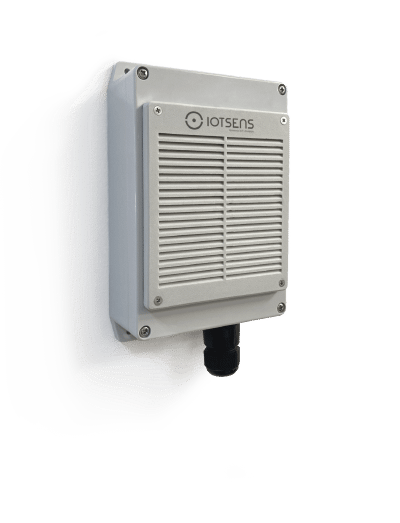
Air Quality Monitor
The IoTsens Air Quality Monitor is a device that consists of a set of environmental sensors for CO, SO2, NO2, …
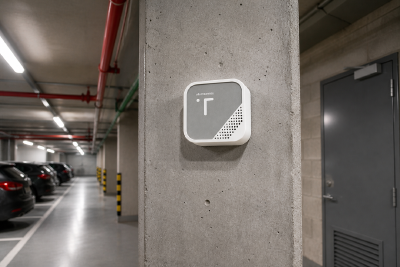 Certified
AS108 Hydrogen Sulfide (H2S) Sensor
hydrogen sulfide, temperature, humidity. Hydrogen Sulfide (H2S) Sensor.
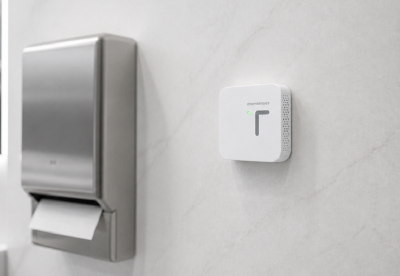 Certified
AS204 Smart Washroom Odor Sensor (NH3 + H2S)
ammonia, hydrogen sulfide, temperature, humidity. Smart Washroom Odor Sensor (NH3 + H2S).
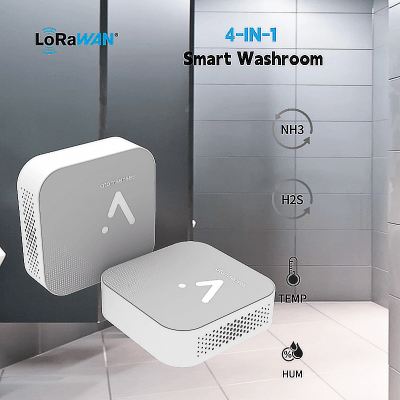 Certified
AS304 Odour Sensor
hydrogen sulfide, temperature, humidity. Odour Sensor.
 Certified
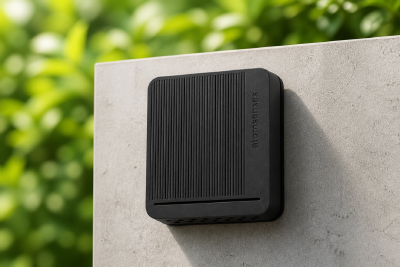
ES501 8-IN-1 Outdoor Air Quality Monitoring Station
temperature, humidity, PM2.5, PM10, sulfur dioxide, nitrogen dioxide, hydrogen sulfide, ammonia. 8-IN-1 …
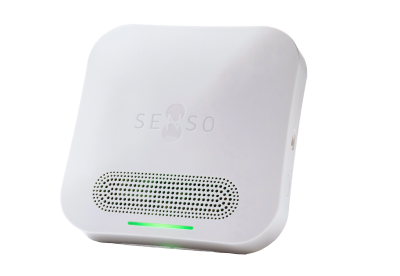
LRS10701 - Indoor Air Quality (IAQ) Sensor
Indoor Air Quality (IAQ) Sensor
Top vendors
Manufacturers with the most h₂s devices in the catalog.
Related
Frequently asked questions
What does a LoRaWAN H₂S sensor measure?
It measures the concentration of hydrogen sulfide (H₂S) gas in the air, typically reported in parts per million (ppm). H₂S is a toxic, corrosive, flammable gas with a characteristic rotten-egg odor, so these sensors are used to detect leaks and protect workers in environments where it can accumulate.
Where are LoRaWAN H₂S sensors used?
Common applications include wastewater treatment plants, sewers and lift stations, oil and gas facilities, refineries, biogas and anaerobic digestion plants, mining, and confined-space monitoring. LoRaWAN connectivity lets a single gateway cover distributed assets without running cabling to each detection point.
How long does an H₂S sensor's battery last?
Battery life depends on reporting interval, sensor technology, and any audible or visual alarms. Many devices run for months to a few years on internal batteries, though gas-detection electrochemical cells themselves have a finite lifespan and require periodic replacement or recalibration.