
LoRaWAN Hall Effect Sensors
LoRaWAN hall effect sensors detect magnetic fields to report contactless open/closed state, rotation and position over long-range, low-power wireless links.
Hall effect sensing uses the Hall voltage produced when a magnetic field acts on a current-carrying element, allowing a device to detect a magnet’s presence, strength or movement without any physical contact. Because there are no moving parts, hall effect sensors are durable and well suited to high-cycle or harsh environments.
LoRaWAN hall effect devices sample the magnetic state and send compact encoded uplinks to a gateway and network server, typically combining event-driven messages on state change with scheduled heartbeats to confirm the device is alive while conserving battery.
Common uses include door and window monitoring, valve and meter rotation detection, lid and tamper sensing, and counting passes of a magnet on rotating equipment.
When comparing devices, check:
- Detection range, sensitivity and magnet requirements
- Battery life and reporting/event behavior
- Enclosure rating (IP) for indoor or outdoor use
- Supported frequency plans (EU868, US915, AS923 and others)
- A documented payload codec for easy decoding
Devices
No devices match
Try broadening your search.
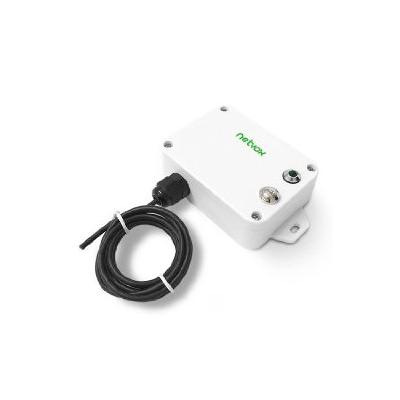
R718LB - Wireless Hall Type Open/Close
The Netvox R718LB - Hall Type Open/Close is a LoRaWAN® end device that consists of a hall-effect sensor to …
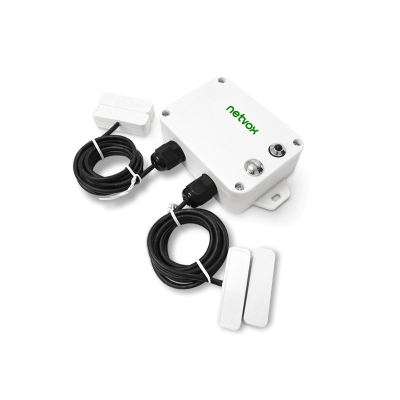
R718LB2 - Wireless 2-Gang Hall Type Open/Close Detection Sensor
This device is equipped with two way Hall sensors, which can be used for door and window switch state …
 Certified
tag L
robust, high-precision indoor / outdoor tracker
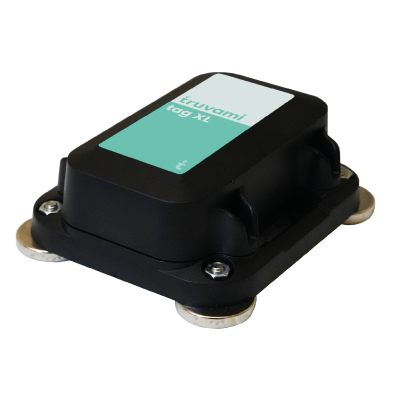 Certified
tag XL
robust indoor / outdoor tracker with long battery life
Top vendors
Manufacturers with the most hall effect devices in the catalog.
Related
Frequently asked questions
What does a hall effect sensor measure?
A hall effect sensor detects the presence and strength of a magnetic field using the Hall voltage generated when a current-carrying element is exposed to that field. It is used for contactless detection of a nearby magnet, so it can sense open/closed state, proximity, rotation or position without physical contact.
How is a hall effect sensor different from a reed switch?
Both react to magnets, but a reed switch is a mechanical contact that physically opens or closes, while a hall effect sensor is solid-state with no moving parts. Hall effect devices tend to last longer, can sense field strength or direction, and avoid contact bounce, though they typically draw slightly more power.
How do LoRaWAN hall effect sensors send data?
The device samples the magnetic state, then transmits a small encoded uplink over LoRaWAN to a gateway and network server. Many report on state change plus periodic heartbeats, and a payload codec decodes the bytes into readable values in your application.