IP69K-Rated LoRaWAN Devices
IP69K is the toughest IP rating for water-jet exposure, combining total dust protection with resistance to high-pressure, high-temperature steam cleaning.
IP69K is an IEC 60529 ingress-protection rating, with its liquids test defined in ISO 20653. The first digit, 6, certifies a dust-tight enclosure that blocks all particle ingress. The second designation, 9K, certifies protection against close-range water jets at high pressure and high temperature, the kind produced by industrial steam and pressure-washing equipment.
This makes IP69K well suited to demanding outdoor and industrial settings: dusty agricultural sites, vehicle exteriors, and food, beverage, or pharmaceutical lines that undergo frequent high-pressure sanitation. It is the most stringent rating for water-jet exposure.
Note that 9K addresses jet resistance, not depth. If a deployment requires sustained submersion, an IP67- or IP68-rated device may be more appropriate.
When choosing a LoRaWAN device, match the enclosure rating to the real conditions:
- Dust, sand, or fine debris that must be fully excluded
- Routine washdown with hot, high-pressure water
- Exterior mounting exposed to weather and spray
The devices below are tagged IP69K in this repository.
Devices
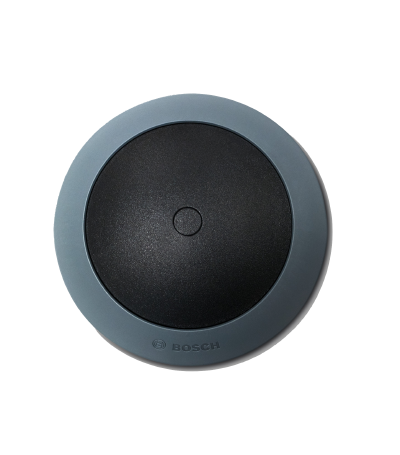
Top vendors
Manufacturers with the most ip69k devices in the catalog.
Related
Frequently asked questions
What does IP69K mean?
Under IEC 60529 the first digit, 6, means the enclosure is dust-tight: no dust can enter. The 9K liquids designation (defined in ISO 20653) means it withstands close-range, high-pressure, high-temperature water jets such as industrial steam-cleaning.
Is IP69K waterproof?
IP69K certifies resistance to high-pressure, high-temperature water jets, not prolonged submersion. It targets aggressive washdown rather than depth, so it does not automatically imply the immersion protection of IP67 or IP68.
Where are IP69K devices used?
They suit harsh, dusty, and frequently sanitized environments such as food and beverage processing, agriculture, vehicle exteriors, and industrial sites cleaned with pressure washers or steam.