
LoRaWAN Ozone (O₃) Sensors
LoRaWAN ozone (O₃) sensors measure ambient ozone concentration and report it wirelessly over long range, low-power networks.
Ozone (O₃) is a reactive gas that affects air quality and human health, so monitoring it matters for both outdoor environments and certain industrial processes. An ozone-sensing LoRaWAN device pairs an electrochemical or metal-oxide gas cell with a LoRaWAN radio, sampling ambient air at intervals and transmitting the concentration as a small uplink payload.
Because LoRaWAN is low-power and long-range, these sensors run for months or years on battery and reach distant gateways, suiting distributed deployments. Typical uses include:
- Outdoor air-quality and smart-city monitoring
- Environmental and research networks
- Industrial and occupational safety
When comparing devices here, weigh the factors that drive data quality and deployment cost. Check the measurement range and stated accuracy, sensor drift and calibration requirements, and reporting interval. For outdoor placement, confirm the enclosure (IP) rating and operating temperature range. Finally, verify the supported regional frequency plans and that a payload codec is available to decode readings in your network server.
Devices
No devices match
Try broadening your search.
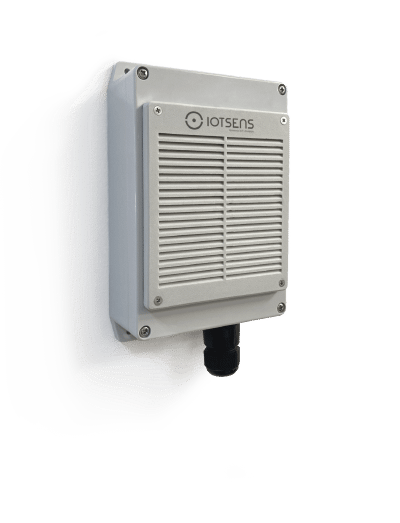
Air Quality Monitor
The IoTsens Air Quality Monitor is a device that consists of a set of environmental sensors for CO, SO2, NO2, …
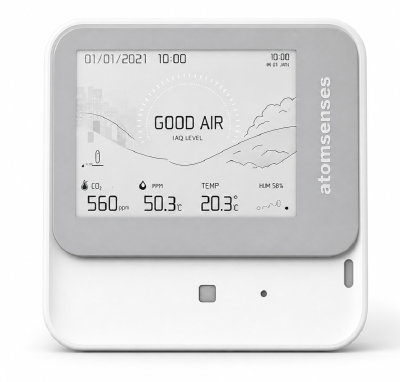 Certified
ES112 12-IN-1 Advanced Air Quality Sensor with Ozone and Occupancy
temperature, humidity, TVOC, CO2, PM1.0, PM2.5, PM10, occupancy, light, CO, ozone, pressure. 12-IN-1 Advanced …
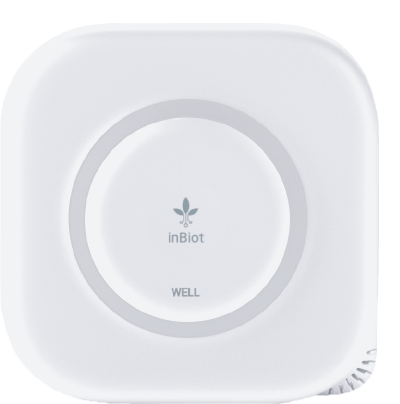 Certified
MICA WELL - Indoor Air Quality Sensor
MICA WELL is the most comprehensive indoor air quality monitoring device in the MICA range, featuring LoRaWAN, …
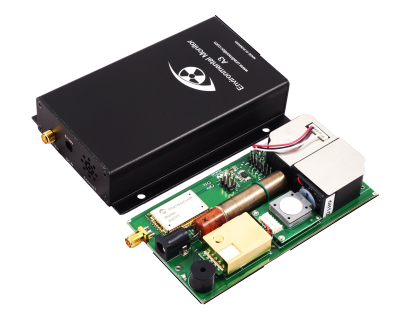 Certified
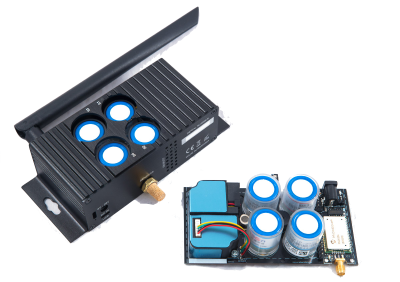
MODEL A3 - Air Quality Monitoring
Plug and play advanced air quality monitoring station, enclosed in an aluminium body for rugged design, it has …
 Certified
MODEL INDUSTRIAL - Air Quality Monitoring
An automated, fixed monitoring station that tracks a total of 11 important air quality parameters including …
Top vendors
Manufacturers with the most ozone (o₃) devices in the catalog.
Related
Frequently asked questions
What does a LoRaWAN ozone (O₃) sensor measure?
It measures the concentration of ozone gas in ambient air, typically reported in parts per billion (ppb) or micrograms per cubic meter (µg/m³). The reading is transmitted over a LoRaWAN network to your application for monitoring and alerting.
Where are LoRaWAN O₃ sensors used?
They are common in outdoor air-quality monitoring, smart-city networks, industrial and occupational safety, and environmental research, where long battery life and wide LoRaWAN coverage suit distributed, hard-to-wire locations.
What should I compare when choosing an O₃ sensor?
Look at measurement range and accuracy, sensor type and drift, calibration needs, power draw and battery life, enclosure (IP) rating for outdoor use, supported frequency plans, and whether a ready-made payload codec is provided.