LoRaWAN Time Sensors and Synchronization Devices
LoRaWAN devices that report time and timestamps, keeping events accurately ordered and synchronized across distributed sensor networks.
Time on a LoRaWAN device refers to its onboard clock and the timestamps attached to readings or events. Because devices often buffer data and uplink on a schedule to save power, an accurate local clock lets the receiving application reconstruct exactly when each measurement happened rather than when it arrived.
Devices keep time using a real-time clock and stay aligned through the LoRaWAN Application Layer Clock Synchronization specification, gateway-assisted timing, or an onboard GNSS receiver. Class B operation also depends on accurate beacon timing. Timestamped payloads are decoded by the device codec so platforms can order, bill, and audit events reliably.
Common uses include utility metering with interval reads, asset and event logging, scheduled environmental sampling, and any deployment where chronology matters.
When comparing devices, look at:
- Clock accuracy and drift, plus supported synchronization methods
- Class A/B/C support and frequency plans for your region
- Battery life under your reporting interval
- Enclosure rating and a documented payload codec
Match the timing capability to how precisely your application needs events ordered.
Devices
No devices match
Try broadening your search.
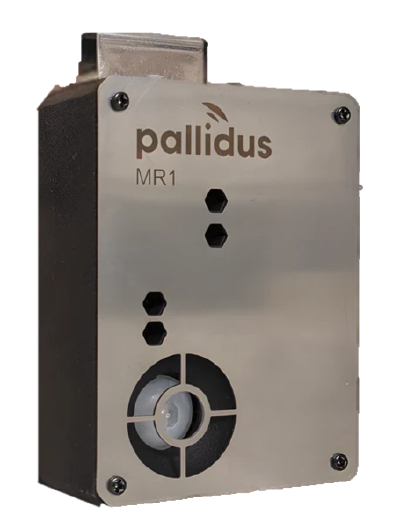
Animal Activity Sensor
The MCCI Catena® 4430 Activity Sensor Wing allows mounting Panasonic WL series PIR sensors and connecting …
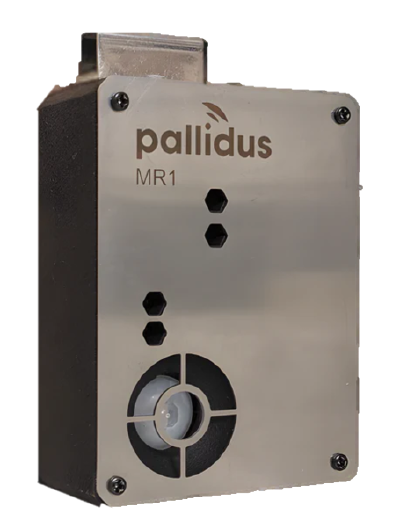
Animal Activity Sensor
The MR1 Activity Sensor Wing allows mounting Panasonic WL series PIR sensors and connecting additional …
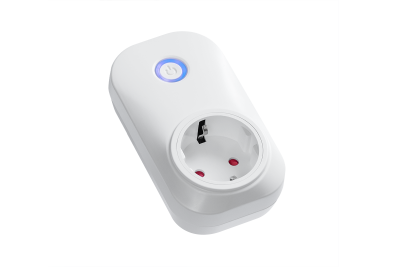
EGK-LW22PLG - Smart Plug
The enginko EGK-LW22PLG is a LoRaWAN® Energy Meter plug with On/Off capability that supports metering and …
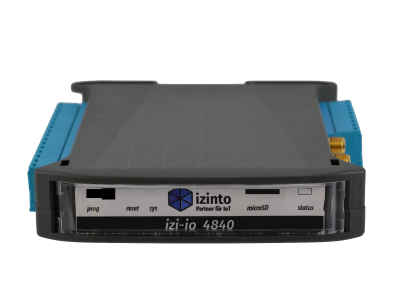
izi-io 4840 - I/O Controller
The izinto izi-io 4840 is a multi-I/O controller with edge computing and LoRaWAN® connection that provides …
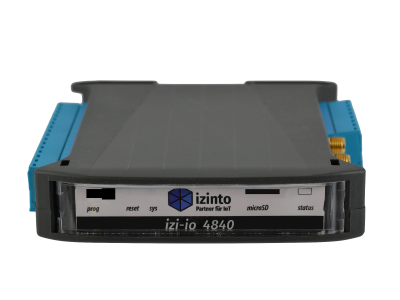
izi-io 4840 /grid - I/O Controller
Specially designed for monitoring local power grid transformation substations ("Ortsnetzstationen" in Germany, …
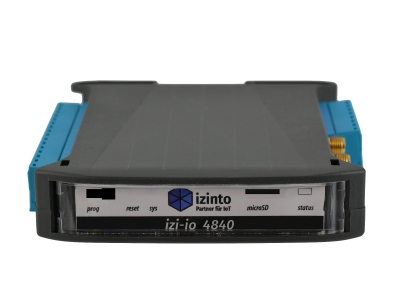
izi-io 4840 /heat - I/O Controller
Specially designed for monitoring building heating systems, the izinto izi-io 4840 /heat is an …
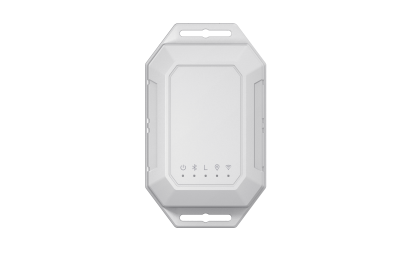
LW001-BG PRO - Tracker
Ultra-low power consumption, indoor&outdoor(BLE&WIFI&GPS) LoRaWAN Tracker
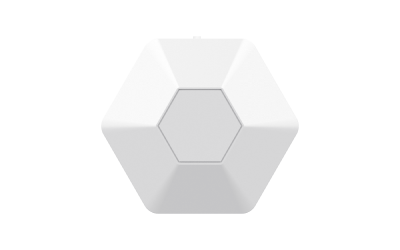
LW003-B - Bluetooth Probe
The Moko Smart LW003-B integrates LoRaWAN® and Bluetooth wireless communication. It can scan BLE Beacon data …
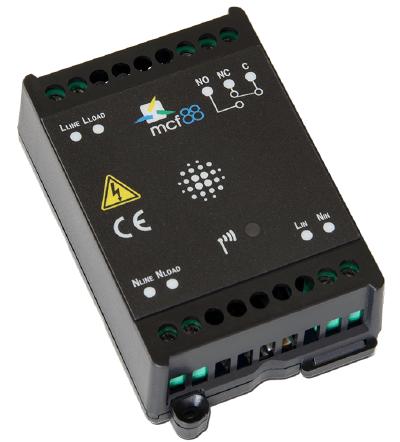
MCF-LW12MET
The mcf88 MCF-LW12MET is a LoRaWAN® Mono-Phase Energy Meter with I/O that can be used for monitoring and …
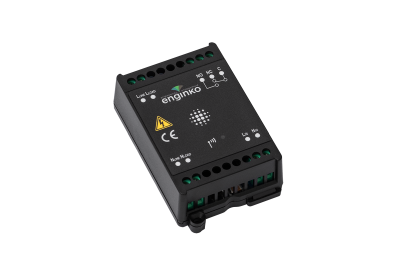
MCF-LW12MET - Energy Meter With I/O
The enginko MCF-LW12MET is a LoRaWAN® Mono-Phase Energy Meter with I/O that can be used for monitoring and …
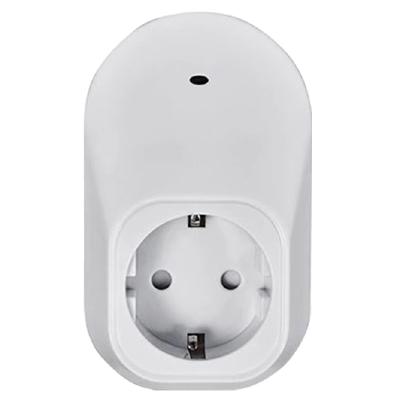
MCF-LW12PLG
The mcf88 MCF-LW12PLG is a LoRaWAN® Energy Meter plug with On/Off capability that supports metering and …
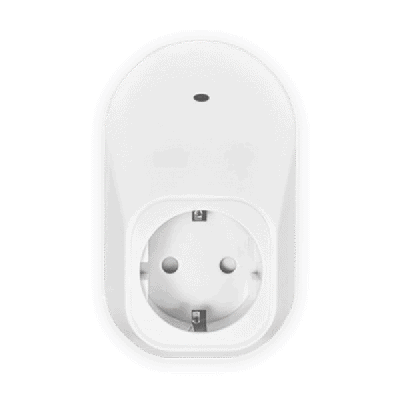
MCF-LW12PLG - Smart Plug
The enginko MCF-LW12PLG is a LoRaWAN® Energy Meter plug with On/Off capability that supports metering and …
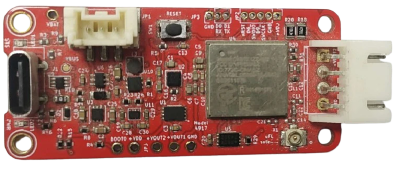
Model 4917 ThermoSense
Two external DS18B20 OneWire temperature probes and a flex-cable SHT3x temperature/humidity sensor
 Certified
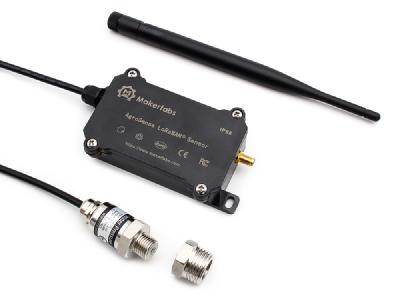
Pipe Pressure
The AgroSense Pressure Sensor detects water or air pressure in pipes, allowing it to identify blockages or …
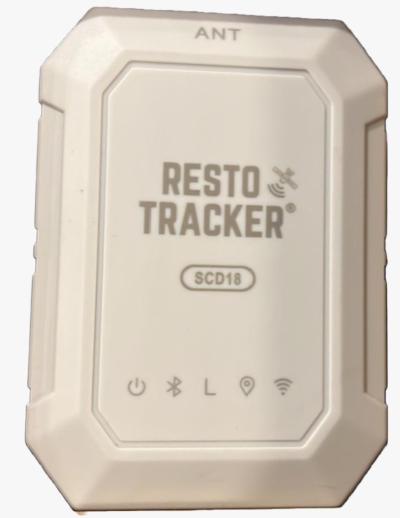
SCD18 - Tracker
Ultra-low power consumption, indoor&outdoor(BLE&WIFI&GPS) LoRaWAN Tracker
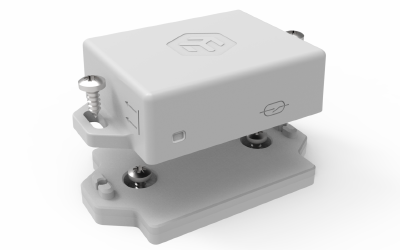 Certified
tg-lr82
Programmable temperature, humidity, orientation, motion and magnetic switch sensor.
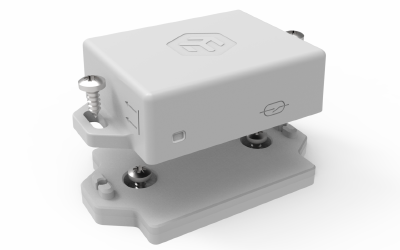 Certified
tg-lr92
Programmable temperature, humidity, orientation, motion and magnetic switch sensor.
Top vendors
Manufacturers with the most time devices in the catalog.
Related
Frequently asked questions
How do LoRaWAN devices keep accurate time?
Many devices include a real-time clock (RTC) and can be synchronized over the air using the LoRaWAN Application Layer Clock Synchronization specification or by referencing the network server’s gateway timing. Some GNSS-equipped devices derive time from satellites.
Why does a LoRaWAN sensor report a timestamp?
A timestamp marks exactly when a measurement or event occurred. This matters for buffered uplinks, billing intervals, and event logs, where data may be transmitted later than it was captured and must still be ordered correctly.
What is LoRaWAN clock synchronization?
It is a standardized application-layer mechanism (defined by the LoRa Alliance) that lets the network correct each device’s internal clock drift, enabling features such as Class B beacon timing and coordinated measurement schedules.